
Our countertops
Home, not hardware.
Which countertop material should a Scottsdale kitchen use?
Cabinet IQ of Scottsdale installs four stone countertop categories: quartz (engineered, no sealing, most consistent), granite (natural, needs periodic sealing, one-of-a-kind slabs), quartzite (natural, marble look with near-granite hardness, needs sealing), and porcelain (sintered, non-porous, most heat- and UV-resistant). The right pick depends on maintenance tolerance, design direction, and how hard the kitchen works — laminate is not offered.
Last updated:
Quartz
Quartz is an engineered stone: consistent patterns, wide color range, and a non-porous surface that shrugs off stains without ever needing sealing. That combination makes it the default recommendation for hard-working family kitchens where low maintenance matters more than natural slab variation.
Granite
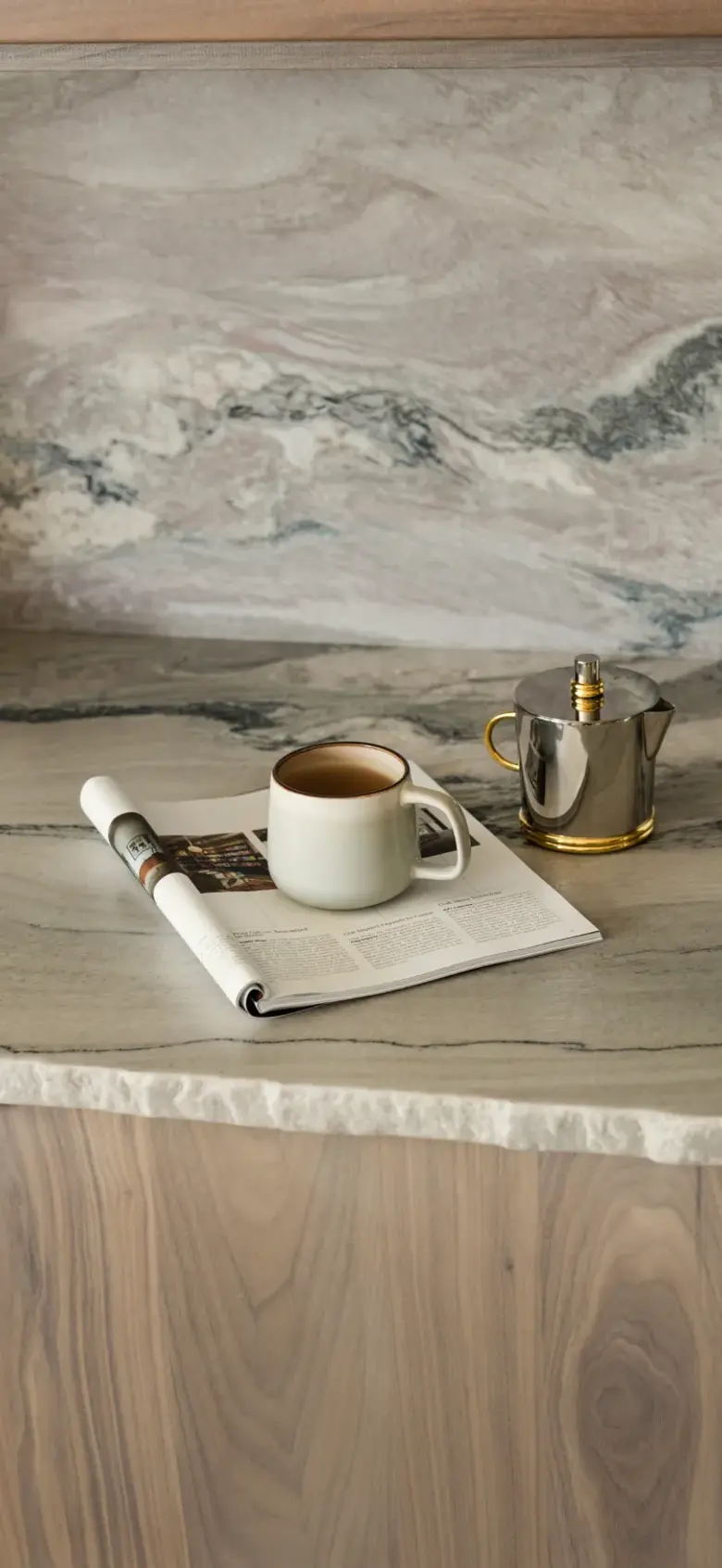
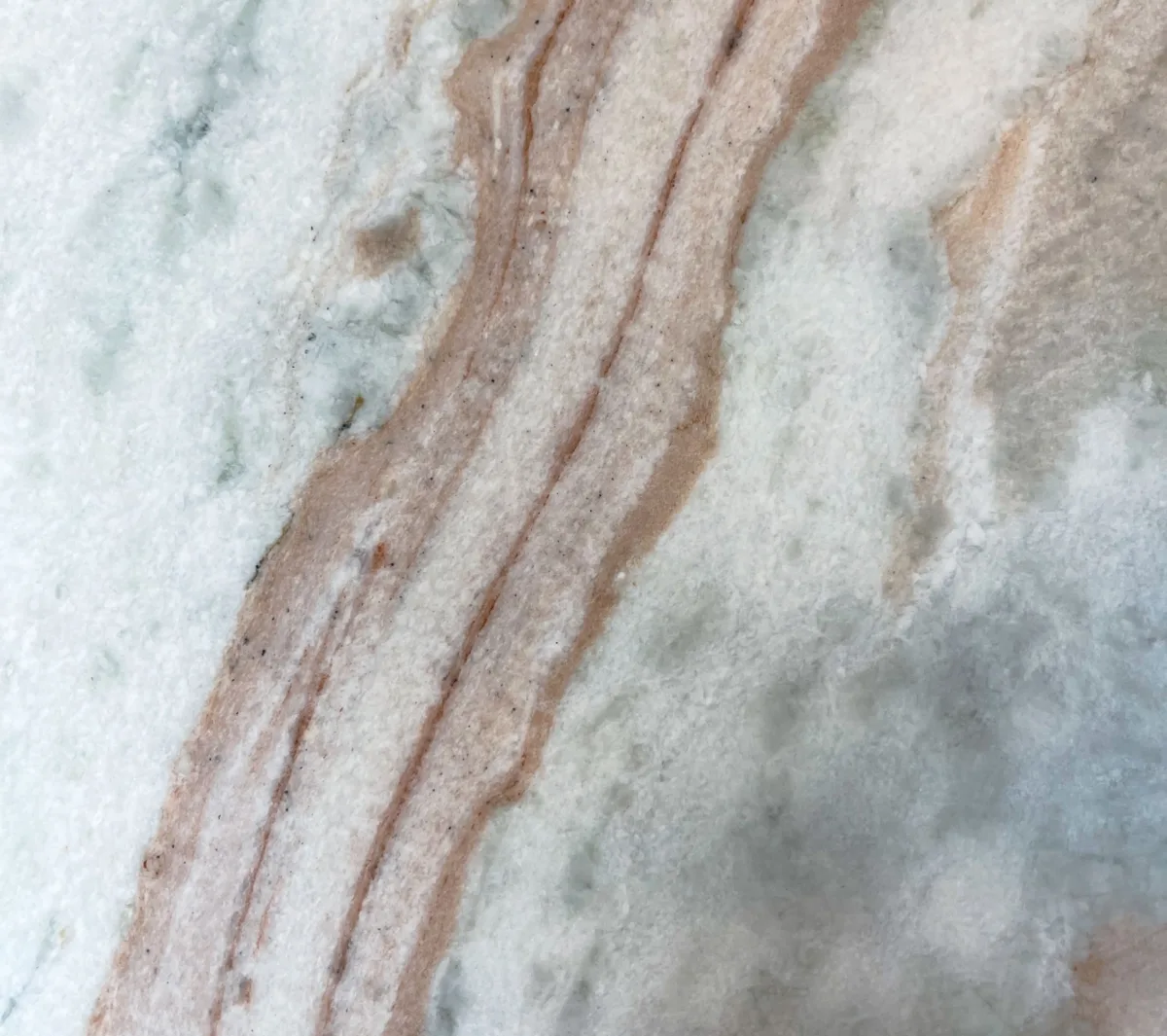
Granite is quarried, so every slab is genuinely unique — movement, depth, and mineral character no factory pattern reproduces. It is durable and heat-tolerant, with one ownership cost: as a natural porous stone it should be sealed periodically to resist staining. Choose granite when slab individuality is the point.
Quartzite
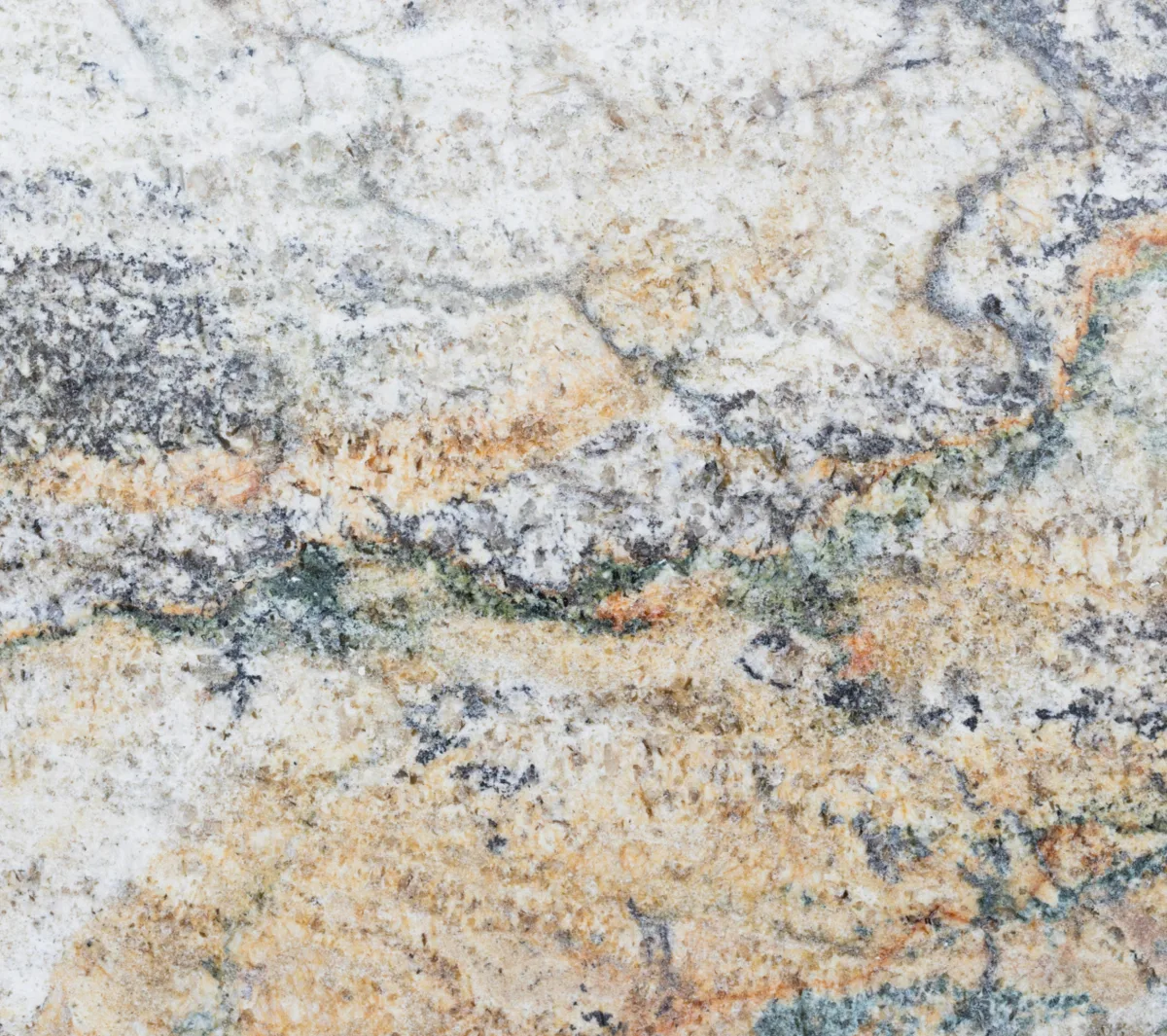
Quartzite (not the same thing as quartz) is a natural stone formed under intense heat and pressure. It delivers marble-like veining with hardness that rivals granite and strong resistance to scratching and etching — and, like granite, it benefits from periodic sealing. Slab selection matters here: you are choosing a specific piece of stone, not a pattern.
Porcelain
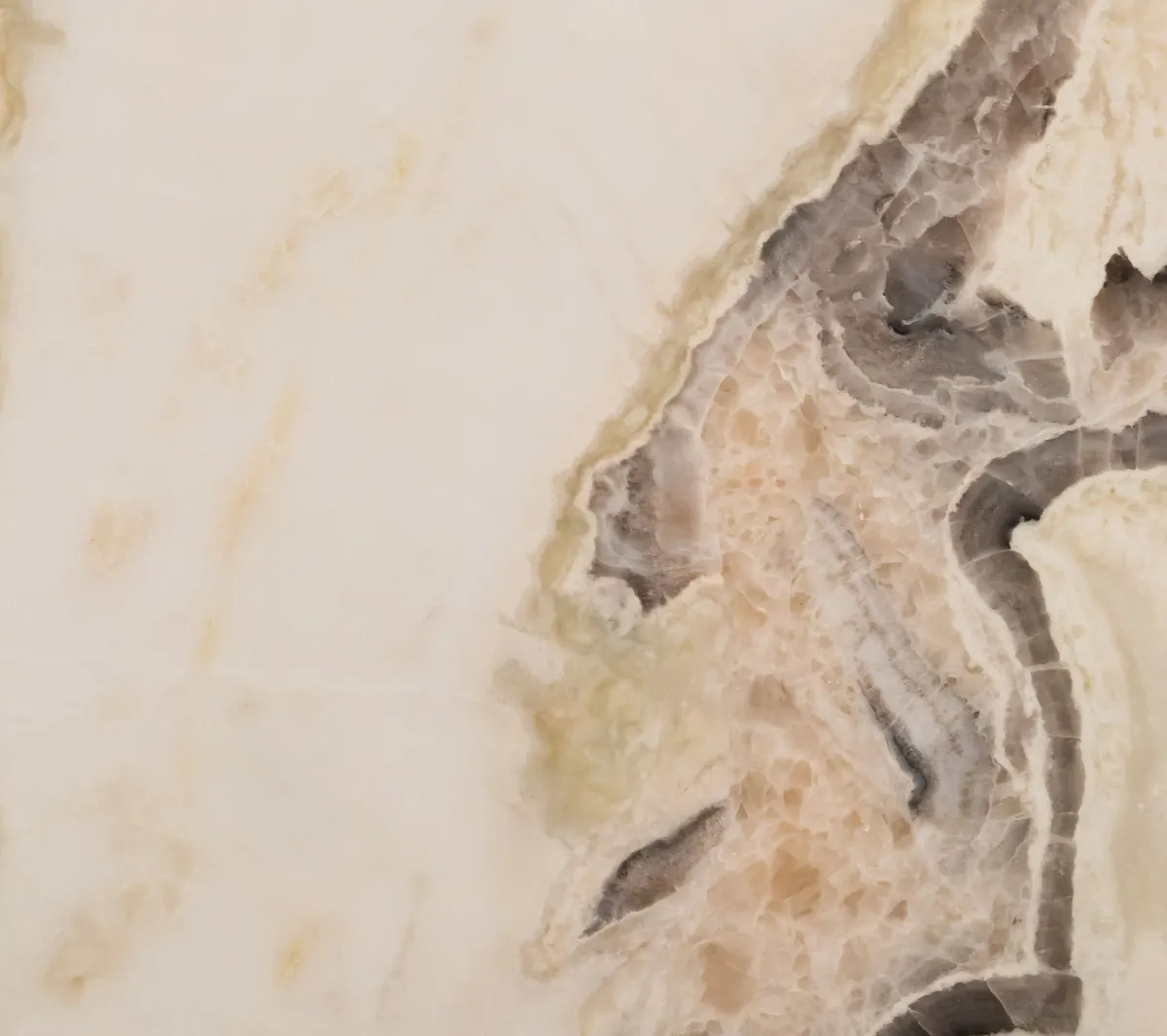
Porcelain (sintered stone) is compacted mineral surfacing fired at extreme heat: dense, non-porous, and resistant to heat, scratches, stains, and UV fading — which also makes it viable outdoors. Large-format slabs carry consistent patterns including convincing marble looks. Because slabs are thinner than traditional stone, templating, edge details, and cutouts demand experienced fabrication and installation.
Installation and coordination
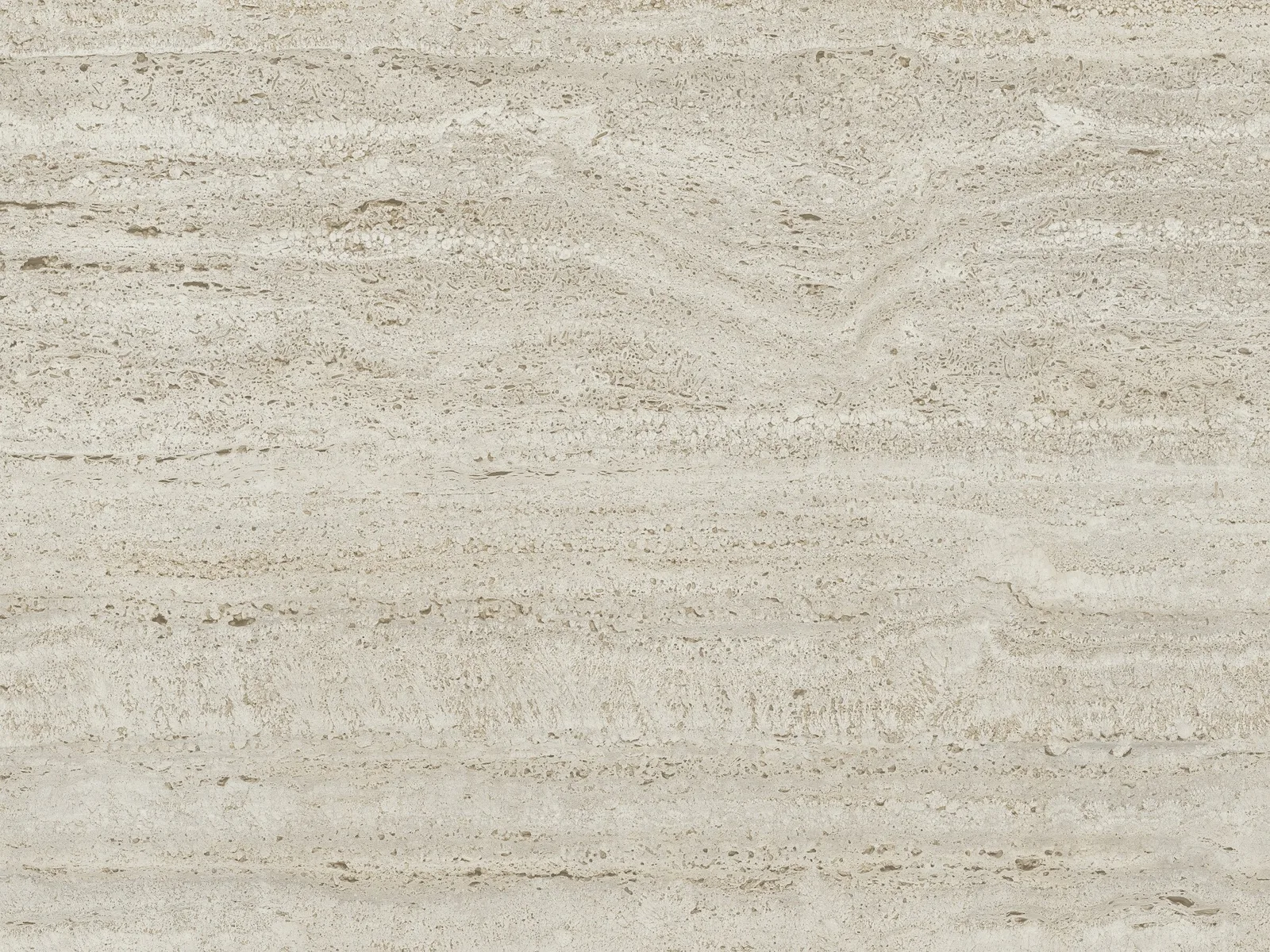
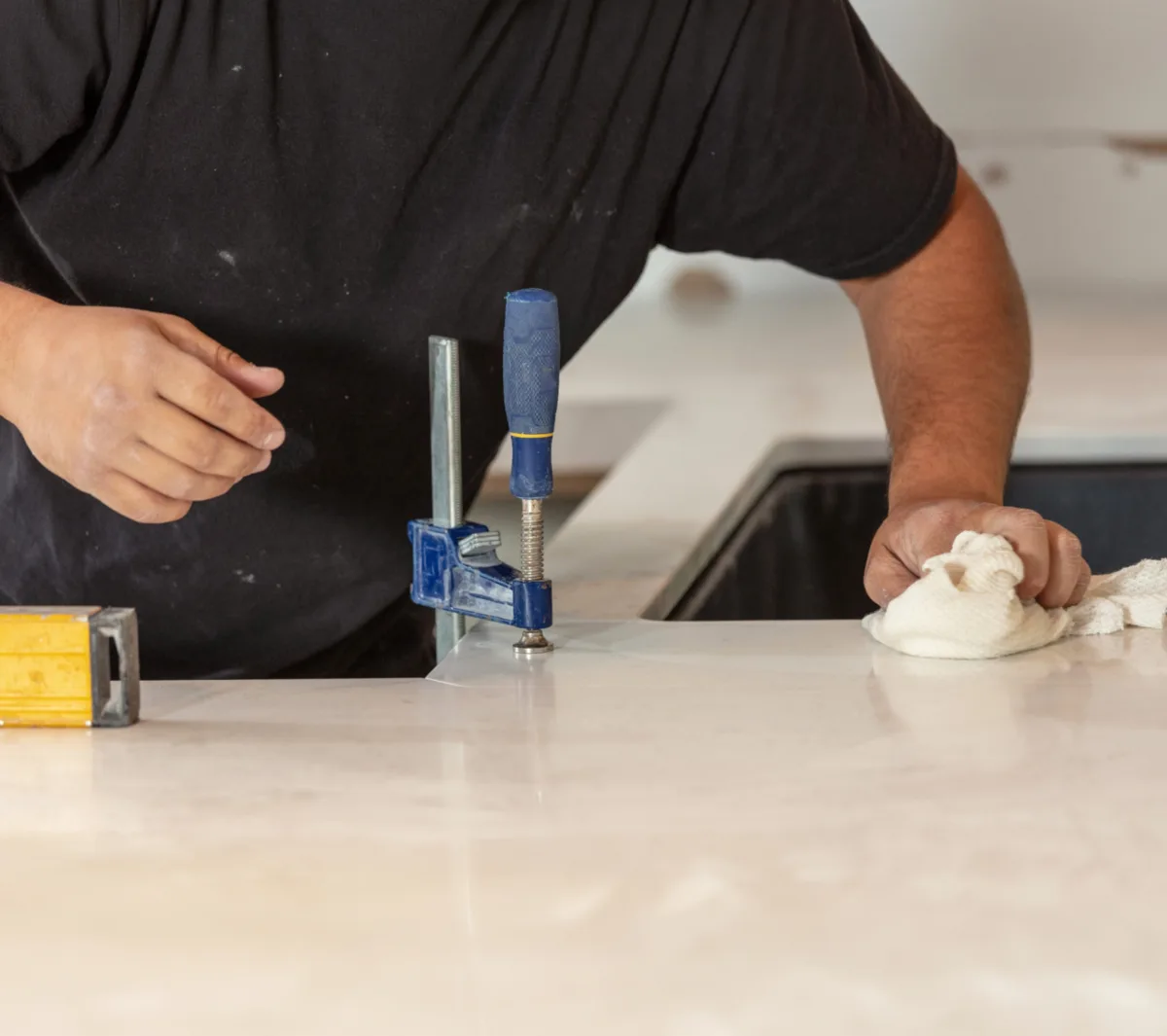
Countertop installation is coordinated with the cabinet plan: templating after cabinets set, seam placement planned around sightlines, edge profiles matched to door styles, and sink, cooktop, and appliance cutouts confirmed against the actual hardware. Because Cabinet IQ handles cabinets and counters in one project, the surface lands on cabinetry it was measured against — the step that goes wrong most often when the two are bought separately.
| Material | Type | Sealing | Pattern | Notable strengths |
|---|---|---|---|---|
| Quartz | Engineered stone | Never needed | Consistent, wide range | Stain resistance, lowest maintenance |
| Granite | Natural stone | Periodic | Unique per slab | Heat tolerance, one-of-a-kind character |
| Quartzite | Natural stone | Periodic | Marble-like veining, unique per slab | Hardness near granite; scratch/etch resistance |
| Porcelain | Sintered stone | Never needed | Consistent, large-format | Heat, scratch, stain, UV resistance; outdoor-capable |
FAQs
What is the difference between quartz and granite?
Quartz is engineered: consistent patterns, non-porous, never needs sealing. Granite is natural: every slab unique, durable, but porous enough to want periodic sealing. Maintenance tolerance usually decides between them.
Is quartzite the same as quartz?
No. Quartzite is a natural quarried stone with marble-like veining and near-granite hardness; quartz is a manufactured surface. Quartzite needs periodic sealing; quartz does not.
Which countertop needs the least maintenance?
Quartz and porcelain — both are non-porous and never need sealing. Porcelain adds the highest heat and UV resistance of the four.
Does Cabinet IQ install laminate countertops?
No. The four categories offered are quartz, granite, quartzite, and porcelain; laminate is explicitly outside the company’s scope.
What drives countertop cost?
Material and specific slab, total square footage and number of slabs, edge profile, cutouts for sinks and cooktops, seam and templating complexity, and any removal of old surfaces. Real numbers come from a consultation with measurements.
Book a free kitchen consultation
No cost, no obligation — start by phone or at the Tatum Blvd showroom.